

Think globally,
act locally.
I teach Korean, and I show the ones who make it here the Korea nobody puts on a list. Founders, executives and diplomats among them.
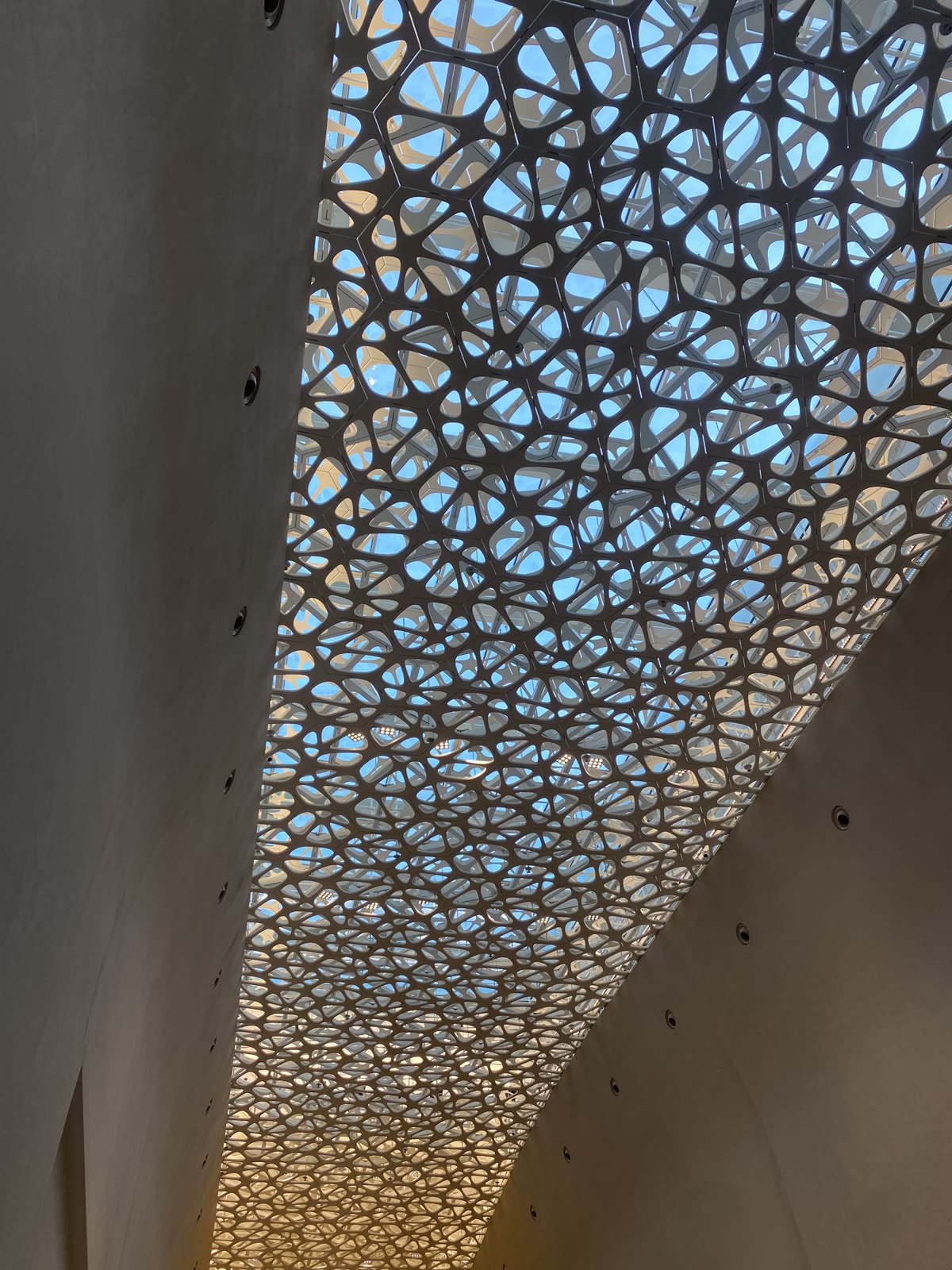
Think globally. Act locally.
It’s an easy thing to put on a website. Here’s what it’s actually made of.
I’ve never had to leave Seoul to work with the world.
It’s an easy thing to put on a website. Here’s what it’s actually made of.
I’ve never had to leave Seoul to work with the world.I teach Korean online to learners across five continents, and the community around it is about a hundred people from fifty countries — people who started because they wanted to understand a lyric or a line of dialogue without subtitles, and who ended up applying to study here, taking jobs here, building a life around a language they once only listened to. That’s the globally part. It happens from one room, in one city, every week.
And when they land, I’m already here.A Day in Korea is a day spent with me — not a route through the places you’ve already seen photographed, but where people actually go, how they actually live, and the long conversation underneath it: how Korean society is put together, what the economy has done to the way people work and speak, why a room reacts the way it does. I can offer that for one reason only. I live here. I’m still in it.
And I’m building outward from here, too.Before this I was a numbers guy — investment banking (IPOs, debt financing, follow-on offerings, mezzanine) and venture capital (K-beauty, aesthetics, robotics), working with C-level executives and high-net-worth individuals as an institutional investor. I collaborate with people abroad on content and on business, and I’m open to genuine opportunities from anyone who wants a Korean counterpart who can read both the culture and the cap table.
One place. Three doors. Think globally, act locally.
Teaching
Not levels. Situations, and the things underneath them.
The eight scenes you’ll actually be in — a café, a convenience store, a taxi, the moment you’re lost. Then the part textbooks skip: making plans, telling someone about yesterday, reacting like a person. Pronunciation gets fixed as we go, so people stop switching to English on you.
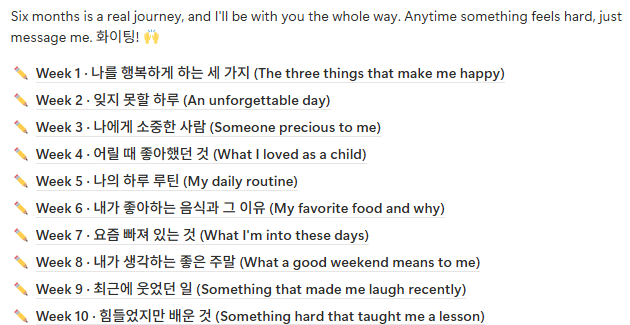
You write it first. I correct it across the week — not only what was wrong, but the more natural way a Korean would have said it. Then we say it out loud together, and you record the corrected version, so the week ends with something in your own voice that you keep.
Honorifics, indirectness, 눈치 — knowing not just what to say but how much. Email Korean, meeting Korean, and the register that changes depending on who else is in the room. For people who work with Korean colleagues, clients, or counterparts.
01
Basic Korean
Enough Korean to stand in the room.
The eight scenes you’ll actually be in — a café, a convenience store, a taxi, the moment you’re lost. Then the part textbooks skip: making plans, telling someone about yesterday, reacting like a person. Pronunciation gets fixed as we go, so people stop switching to English on you.
02
Writing into speaking
For people who think faster than they can speak.
You write it first. I correct it across the week — not only what was wrong, but the more natural way a Korean would have said it. Then we say it out loud together, and you record the corrected version, so the week ends with something in your own voice that you keep.
03
Business Korean
The language of the table you’re already sitting at.
Honorifics, indirectness, 눈치 — knowing not just what to say but how much. Email Korean, meeting Korean, and the register that changes depending on who else is in the room. For people who work with Korean colleagues, clients, or counterparts.
Taught to language teachers with twenty years in their own classrooms, founders, graduate students, and people who just moved here
From students
“Your patience, encouragement, and positive energy create a welcoming environment where making mistakes feels like part of the learning process instead of something to fear.”
 Michelle · Panama
“Before taking your class, I tried learning Korean through apps like Pimsleur and Duolingo; however, they couldn't provide the human connection, cultural insights, or personalized guidance that come from learning with a native Korean teacher.”
 Lucie · El Salvador
“The lesson is very well structured and you give us psychological support, so we have the strength not to give up when things get tough.”
 Maria · Greece
“Some of my previous teachers weren't as detailed, or wouldn't correct my mistakes as I spoke — which is a priority for me.”
 Esther · United States
“The most patient and kind teacher who isn't judgemental and gives you the space to make mistakes without pressure.”
“You don't let me coast easily even when I want to, and you don't allow me to hide behind what I do well. You pick up on my gaps quite quickly and make me catch up. That is, for me, the mark of a skilled instructor.”
“I was so scared because I didn't feel ready for the trip without vocabulary and sentences, but now I feel confident and I think I can do it!”
“I sit back and reflect on my learning and think about where I was at the beginning of the year, and I realise the progress I have made since working with you has been exponential — and my confidence has grown as well.”
“The videos are short, and Rok's explanations are engaging — he presents the information like a story and speaks at a pace that allows me to grasp everything immediately. After a long day of work and study, I actually consider watching these videos a prize.”
“As a complete beginner, hearing the correct pronunciation and getting immediate feedback has made a huge difference for me. Time has been my biggest challenge lately, but Rok has been incredibly patient, encouraging, and supportive. It's been one of the best ways to build confidence.”
“I was definitely nervous at first, but your kindness made me feel very comfortable. I'm genuinely grateful for your guidance — you've already made a positive impact, and I truly appreciate the passion you have for teaching.”
Fifty countries, one floor.
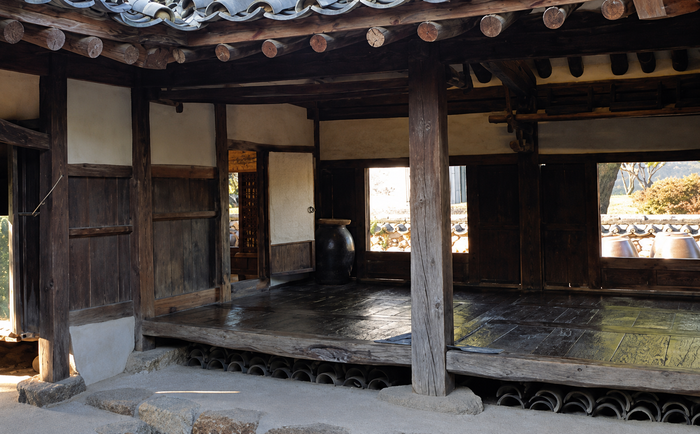
마루 is the raised wooden floor of a Korean house — the part where people sit down together. This is that, for people learning Korean.
Next time we meet
Next date being set — the Maru room gets it first.
Inside Maru
Rooms — the language, travelling here, living here for work or study
- Rooms — the language, travelling here, living here for work or study
- Once a month — one real table in Seoul, for however long it runs
- Free to join — with two warmer tiers if you want more of me
The city, in person.
A day of Korean — taught, interpreted, and filmed.
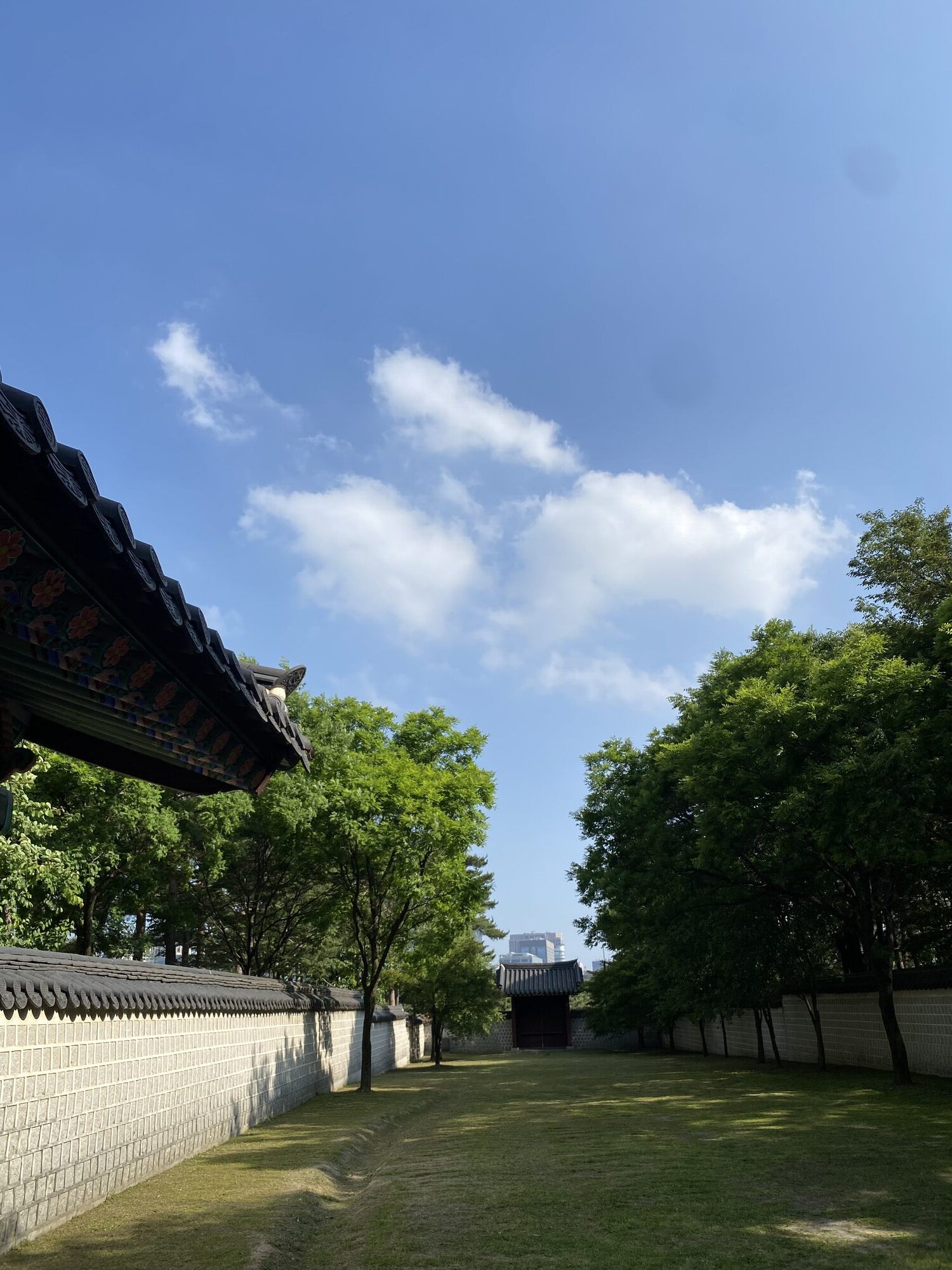
Gangnam on foot in the late afternoon — ambition, polish, and the pressure underneath it — with a stop at Olive Young for skincare and the small things worth taking home. This is where the talk tourists never get happens: what this country actually runs on, and whatever you have been wondering about it.
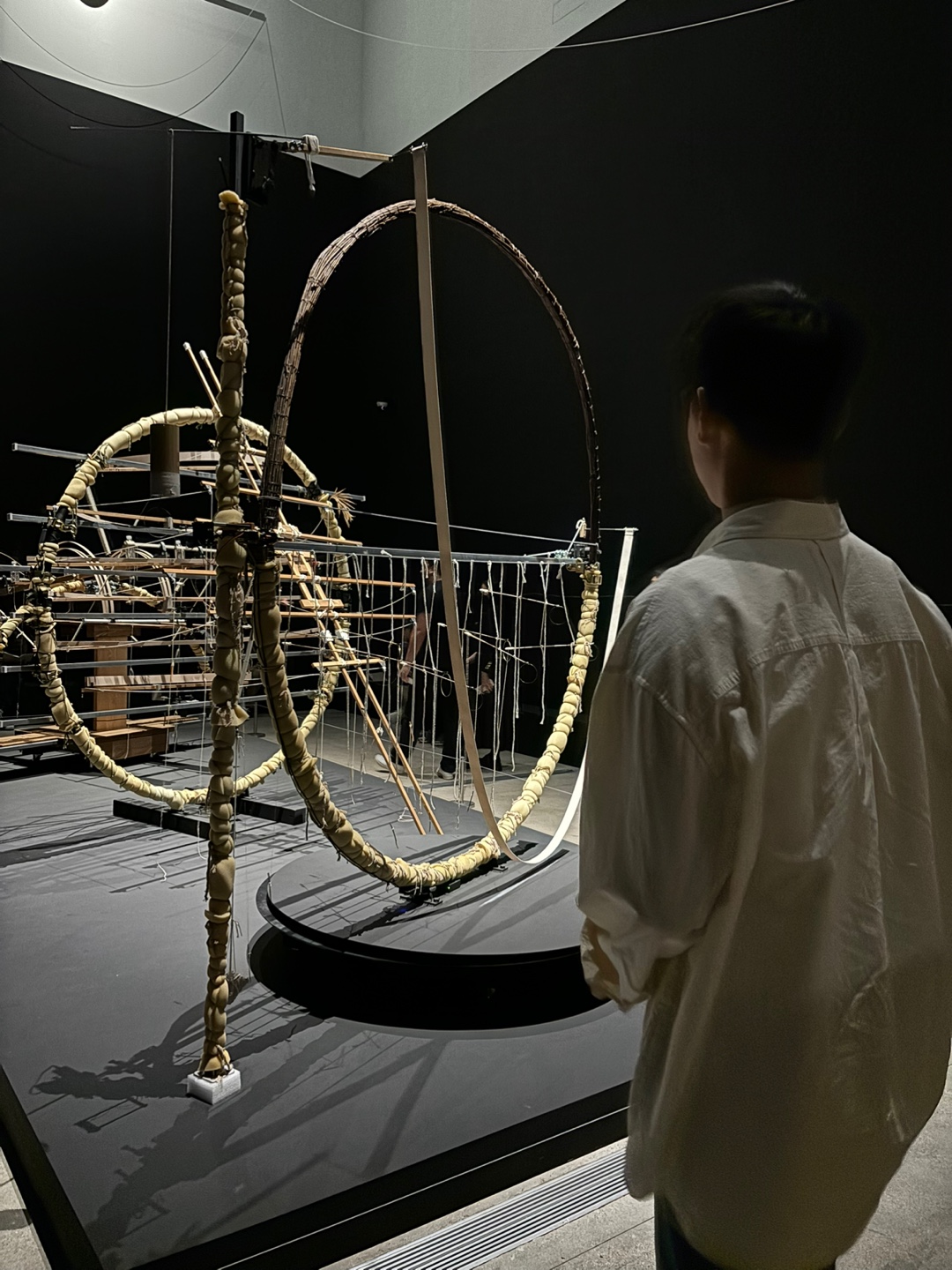
The plaza and the palace gates at Gwanghwamun, then Jongno — old alleys and a working market. I tell you what it means to me rather than what a plaque would say. Going inside the palace is yours to choose: tickets are yours, and there is no rush either way.
Dinner where locals actually eat rather than where the English sign is, and you order it yourself. Then the photo booth, then karaoke, then coffee and the questions you have not been able to ask anyone. A last walk down the bar street with the city fully lit, and I put you on your train.

Groups and companies — teams, universities, delegations
Who’s behind this
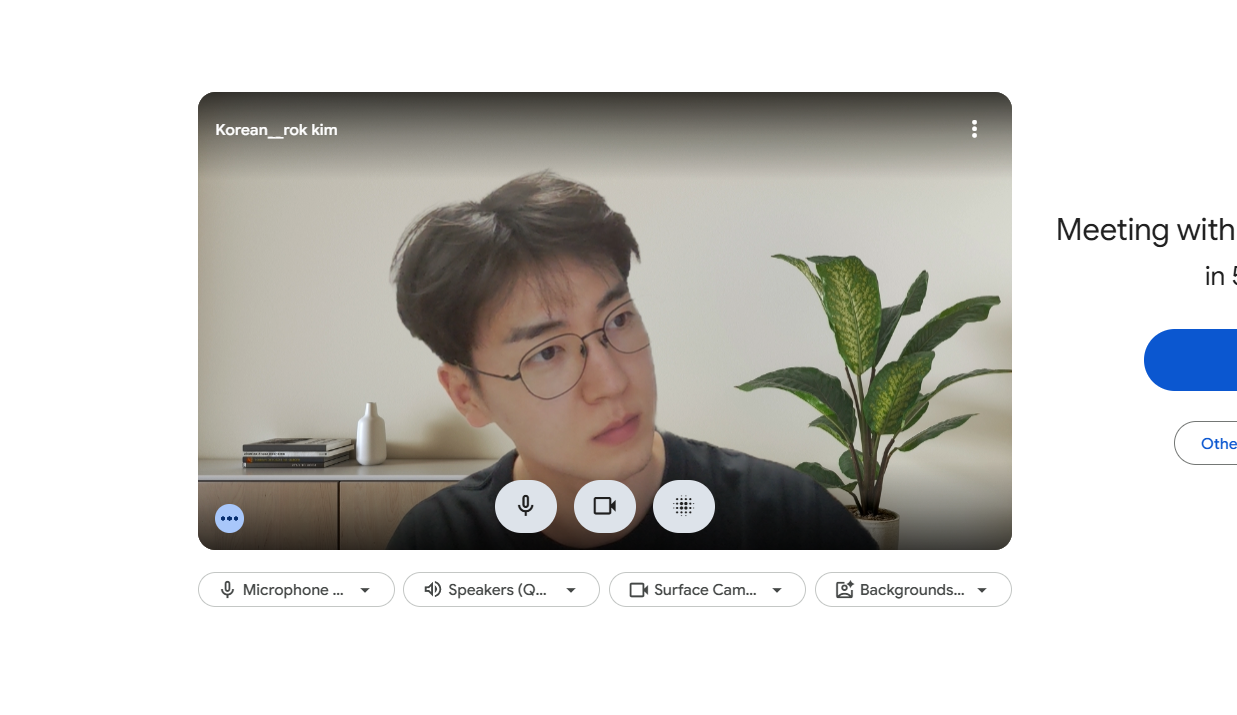
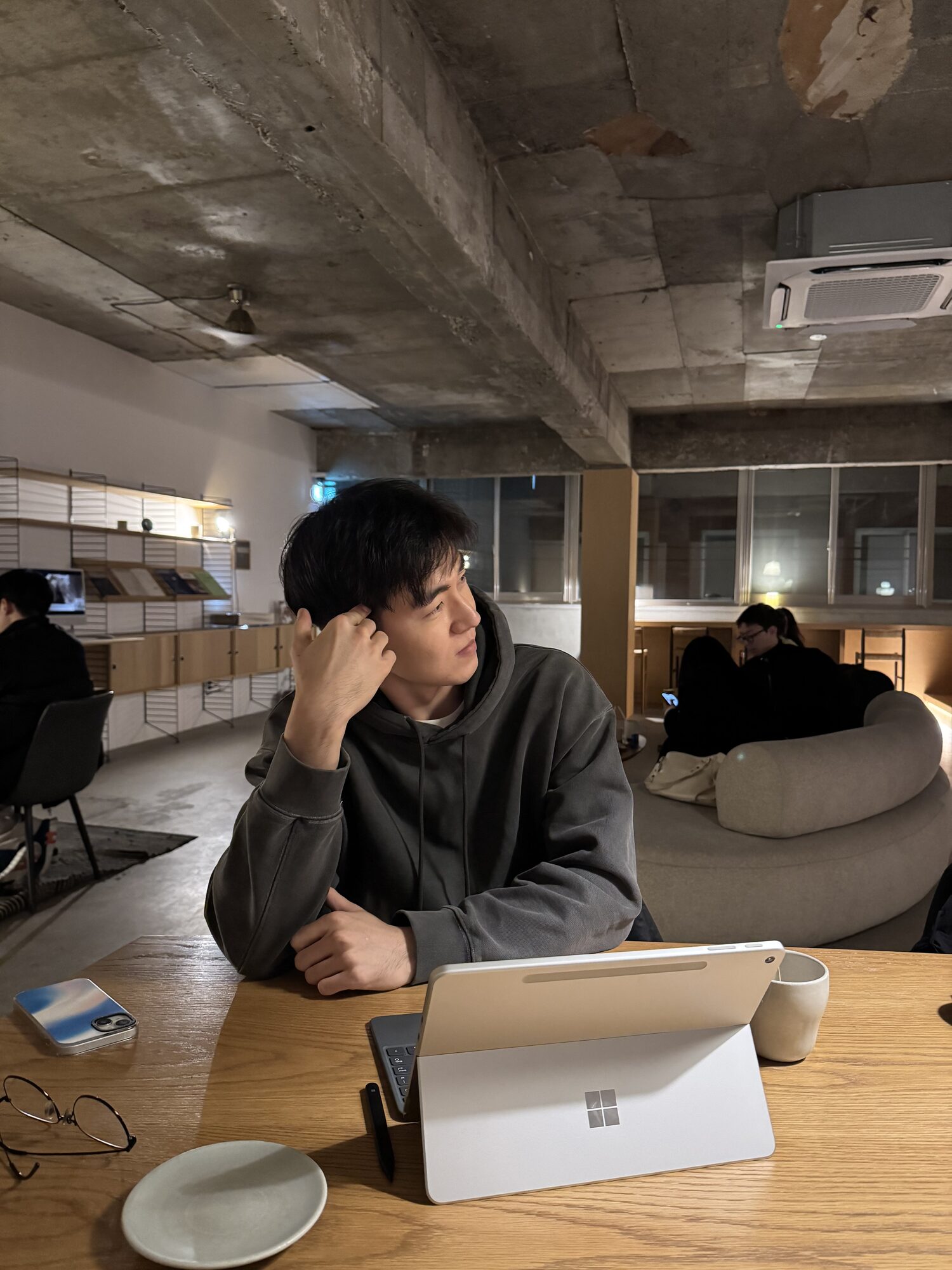
I’m Rok. I’ve been teaching Korean since 2018 — first to friends, then properly.
~100 in the community · 50 countries · Since 2018
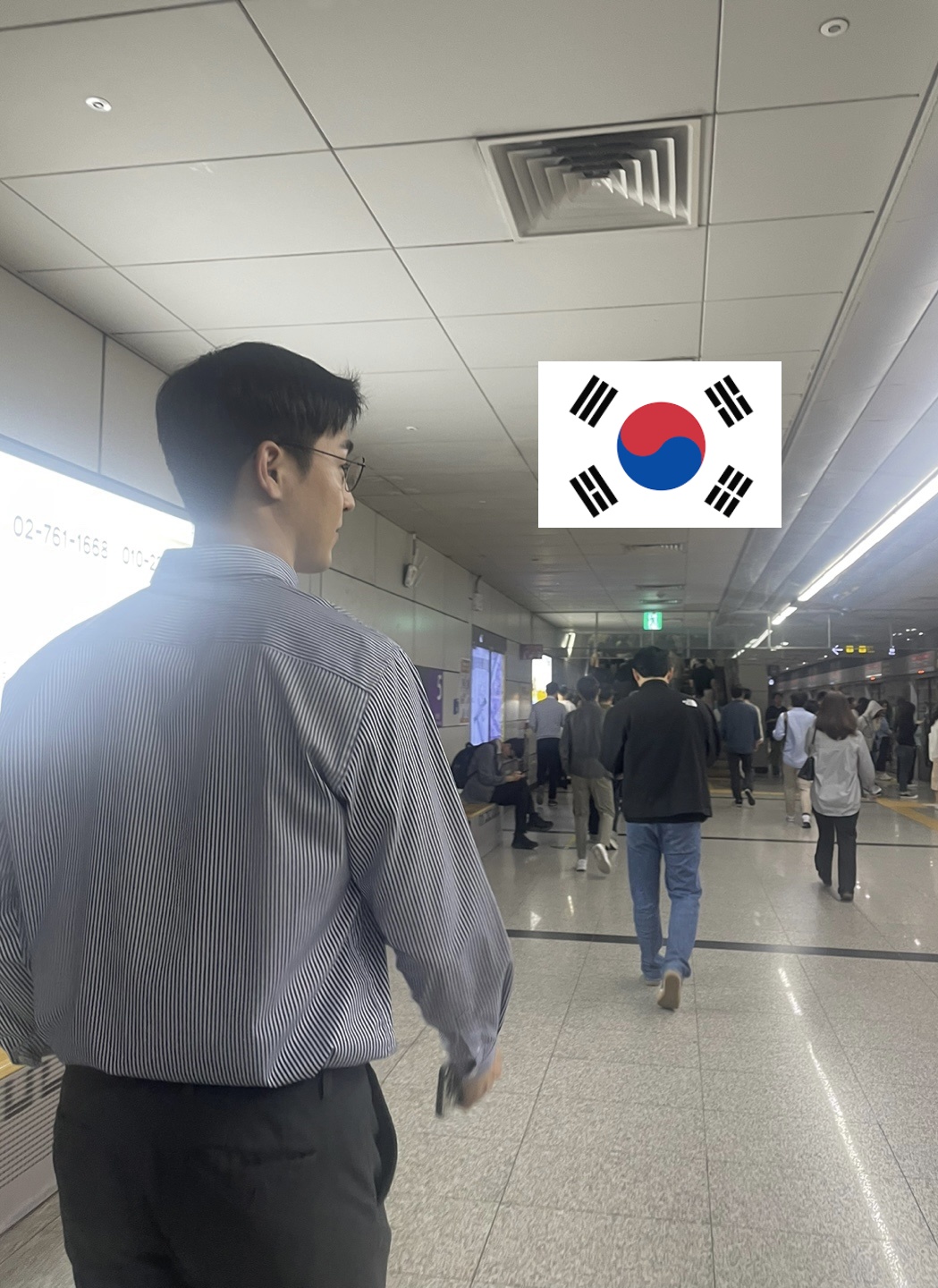
The Korean side
Everything above is the outward half of what I do.
Before you start
The five questions I get most
The honest answers — not the ones that sell best. All the questions I get.
No — not in the way people mean. The alphabet takes about a week; it was designed to be learnable, and that part is genuinely easy.
What’s hard is something nobody warns you about: within a few months you’ll understand far more than you can say. That gap is where almost everyone stops, and it isn’t a difficulty problem. It’s a practice problem, and it has a fix.
Depends what you mean by conversation. Ordering, asking for directions, small talk with a shop owner — a few months, if you’re speaking out loud from week one.
Talking about your day, your opinions, a disagreement — that’s a year or more of real use, not study hours. The people who get there fastest aren’t the ones who study most. They’re the ones who started speaking before they felt ready.
Yes. It’s the one thing I won’t talk anyone out of.
Romanization feels faster for about two weeks, then it quietly caps you — you end up pronouncing Korean with English mouth habits and you can’t read anything real. Learn Hangul in week one, keep romanization as a bridge, and drop it. In my books it fades out entirely by month three, on purpose.
Because listening and speaking are different skills, and almost everything you’ve been doing trains the first one.
Dramas, apps, textbooks, videos — all input. Speaking only improves by speaking, out loud, with someone who corrects you kindly and immediately. If this is the question you came here with, it’s the one my whole method is built around.
Course if you’re starting from zero, or you want to build the foundation on your own schedule. It’s the cheaper, slower, entirely self-directed path, and it works.
1:1 if you already know more than you can use, or if the thing stopping you is other people hearing you. You can also do both — most of my coaching students are working through a course between sessions.
Every Wednesday
Newsletter and journal — coming soon.
The newsletter
One email a week. A phrase worth having, something I noticed, and whatever I’m working on. No course pitches.
Coming soon
The journal
Longer pieces, when I have something worth saying rather than on a schedule.
Coming soon